ClassicalChristian Education
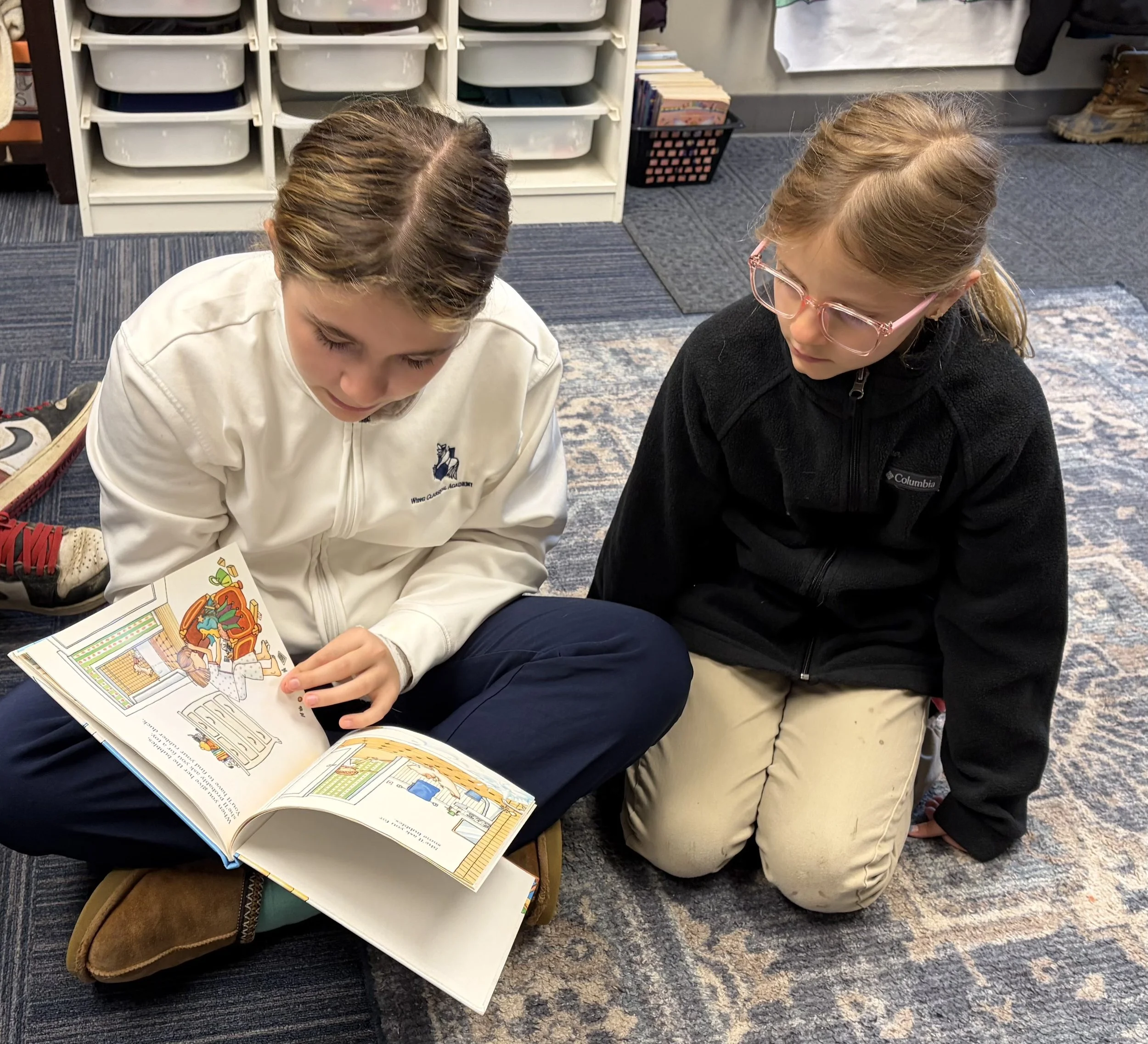
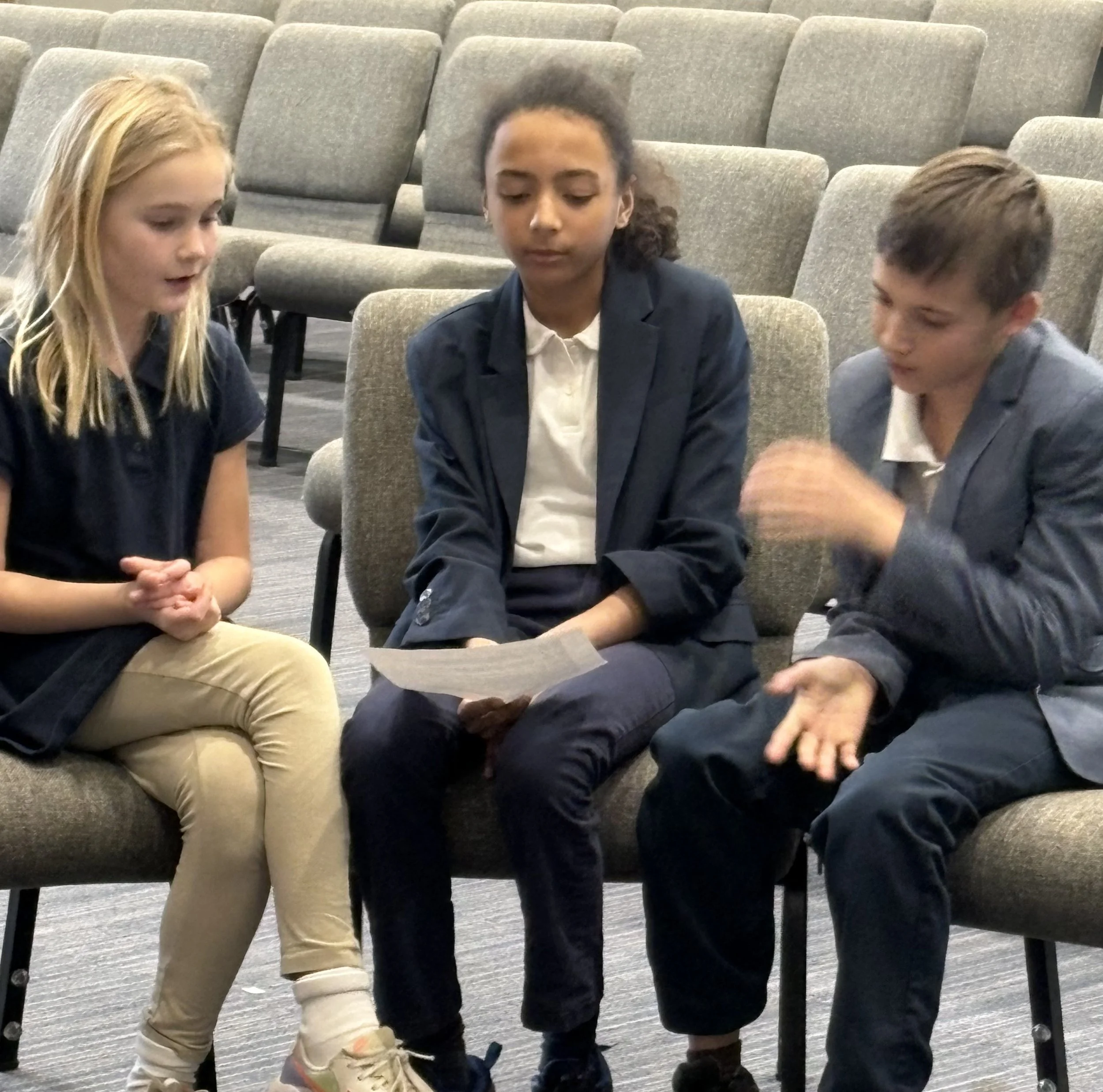
The blended-grade classrooms allow students to learn from and teach one another, while the small teacher-to-student ratio provides a peaceful learning environment where instruction is tailored to each child’s skills and developmental level.
-M.W., 1st Grade and 2nd Grade Mother
Learning For a Lifetime
Wing Classical Academy implements the Hillsdale College American Classical Education K-12 curriculum combined with the Rafiki Foundation Bible study curriculum.
We view faith, freedom, and religious liberty as essential.
Our school protocols include:
loving God
loving your neighbor
respecting authority
honoring your parents
obeying right away, all the way, with a happy heart, always.
We seek to complement parents’ efforts to grow their children in wisdom and virtue, guiding students to love what is True, Good, and Beautiful.
We employ the Rafiki Bible Study curriculum daily to study the Word of God daily and teach all subjects with a biblical worldview, weaving scripture and prayer throughout the day.
Why Classical Education?
In a word: RESULTS
Why Latin?
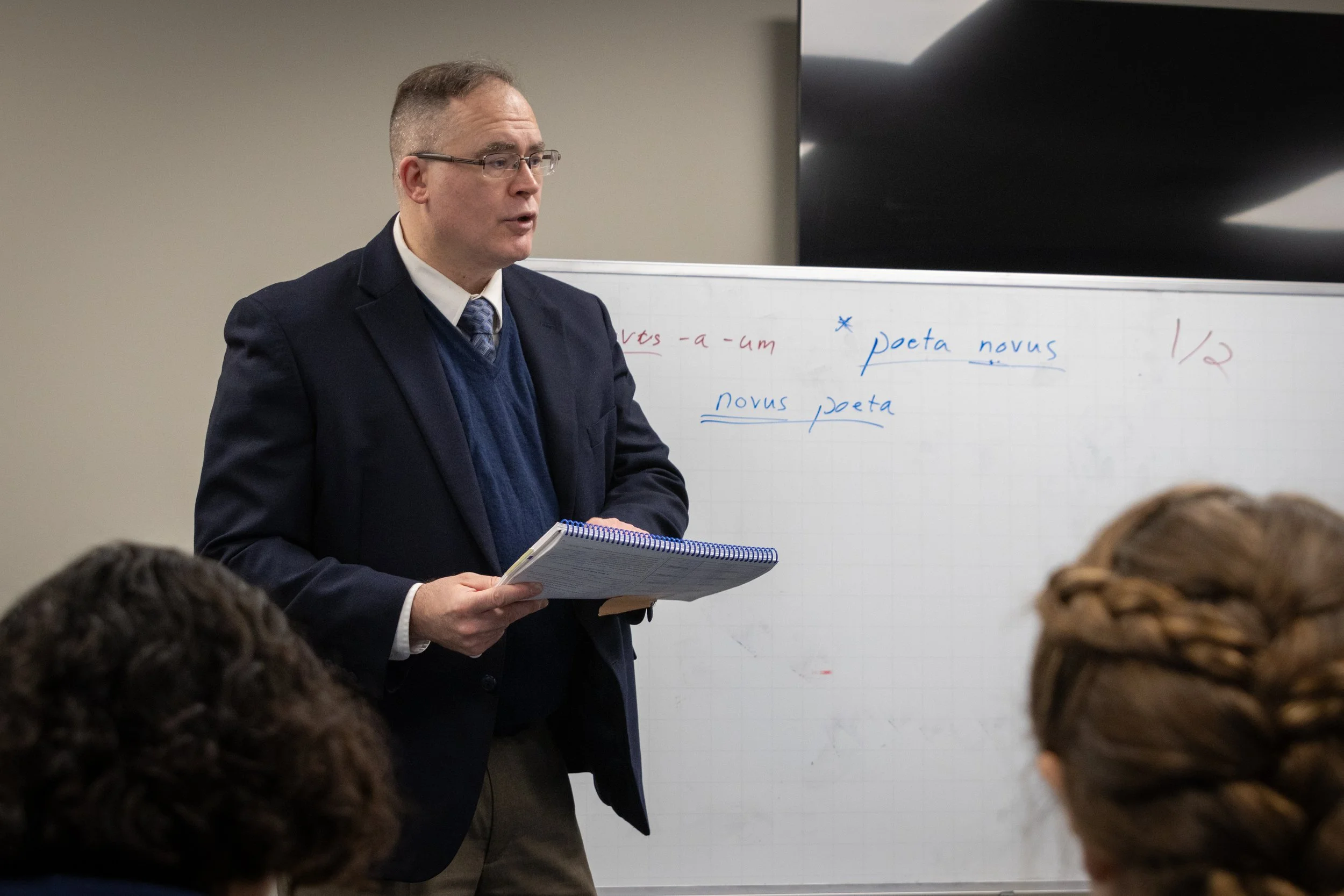
Historically, or rather, in earlier days of Western civilization, Latin was simply the language of instruction and the required language of educated men and women. Today, students study Latin not only to develop an easy familiarity with the thousands of higher-register words and terminology in the English language (which leads to higher SAT scores), and not only to take advantage of the neuro-benefits that come from learning a highly sophisticated language marked by inflection, noun declensions, and intricate verb conjugations, but also to gain a firm foundation of English grammar itself. This develops precision in speech and writing, logical thinking, and excellent skills in discussion and debate, which benefits students in any field, vocation, or profession that they go on to study later.
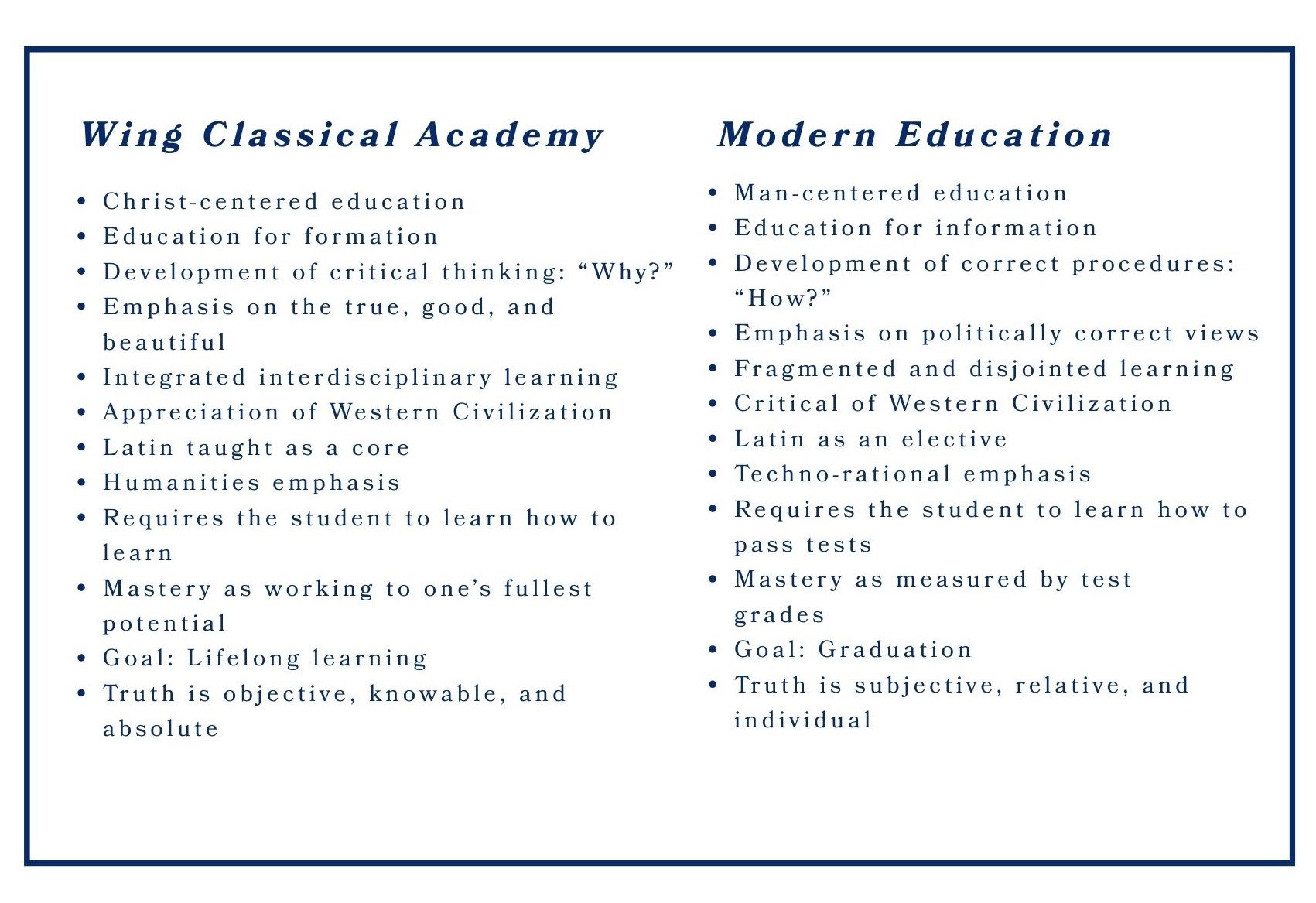
Classical Christian education, as we have it today, is derived from the middle ages’ application of ancient Greek and Roman methods and content with the Christian conviction that God is manifest in the world. It is marked by both its methodology and by its content, both of which stand in stark contrast to modern public education. The trivium (grammar, dialectic, and rhetoric) and the quadrivium (arithmetic, geometry, astronomy, and music) provide the framework for what classical education prioritizes and attempts. Clark and Jain write “The ancients believed that these seven ‘arts’ were not merely subjects to be mastered, but sure and certain ways of forming in the soul the intellectual virtue necessary for acquiring true wisdom” (The Liberal Arts Tradition, Classical Academic Press, 2021).
To view a national study on the results of classical Christian education compared to other educational models, see the Good Soil Report by Notre Dame Research Center.
While classical education is known for teaching to mastery, especially in Latin, mathematics, and composition, the ultimate goal is formation of character - intellect and virtue - rather than solely imparting knowledge. Students read, study, and discuss the great philosophers and writers of ancient Greece and Rome, the major thinkers and authors of the Western canon, and the pillars and touchstones of Western civilization. This, more than anything, gives the student a point of reference for his own civilization, an understanding of where he and his society have come from.
Classical Christian education works in harmony with the family and prepares young people to think deeply and compassionately; it alters the focus of education to who we become, not what we know. It focuses on cultivating wisdom and moral virtue by analyzing the great ideas of Western civilization through the prism of the Bible. It trains students in reasoning through the Trivium (grammar, logic, and rhetoric) and incorporates the seven Christian virtues (prudence, justice, temperance, courage, faith, hope, and charity).
At Wing Classical Academy, our core subjects include the following liberal arts and sciences:
Literature (the great books, including philosophy and politics), which explore human nature
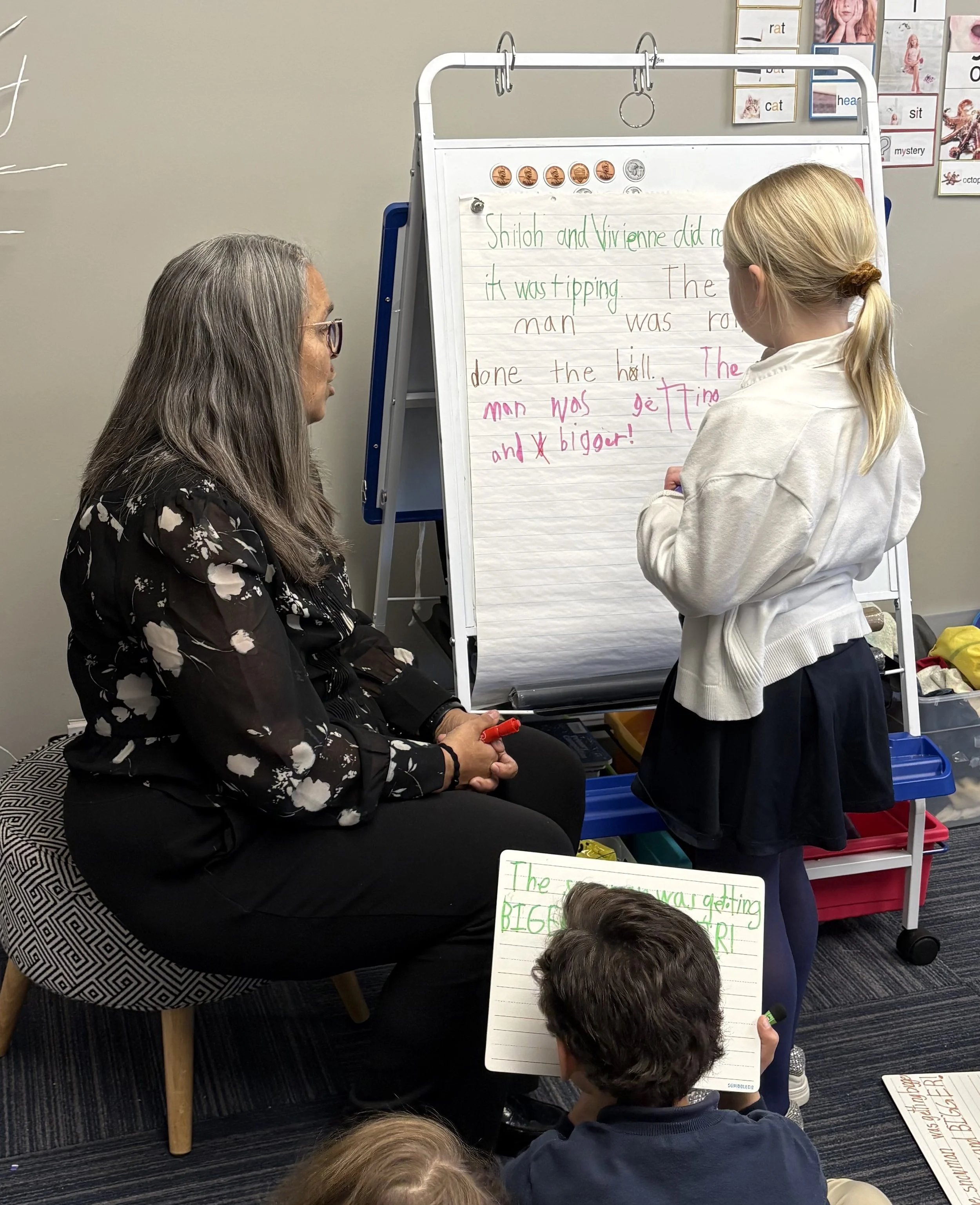
English Composition and Grammar, necessary for the student to write and speak professionally, and, in the earlier grades, Phonics (which helps students decipher words on their own)
Art, which guides and instructs the student in beauty
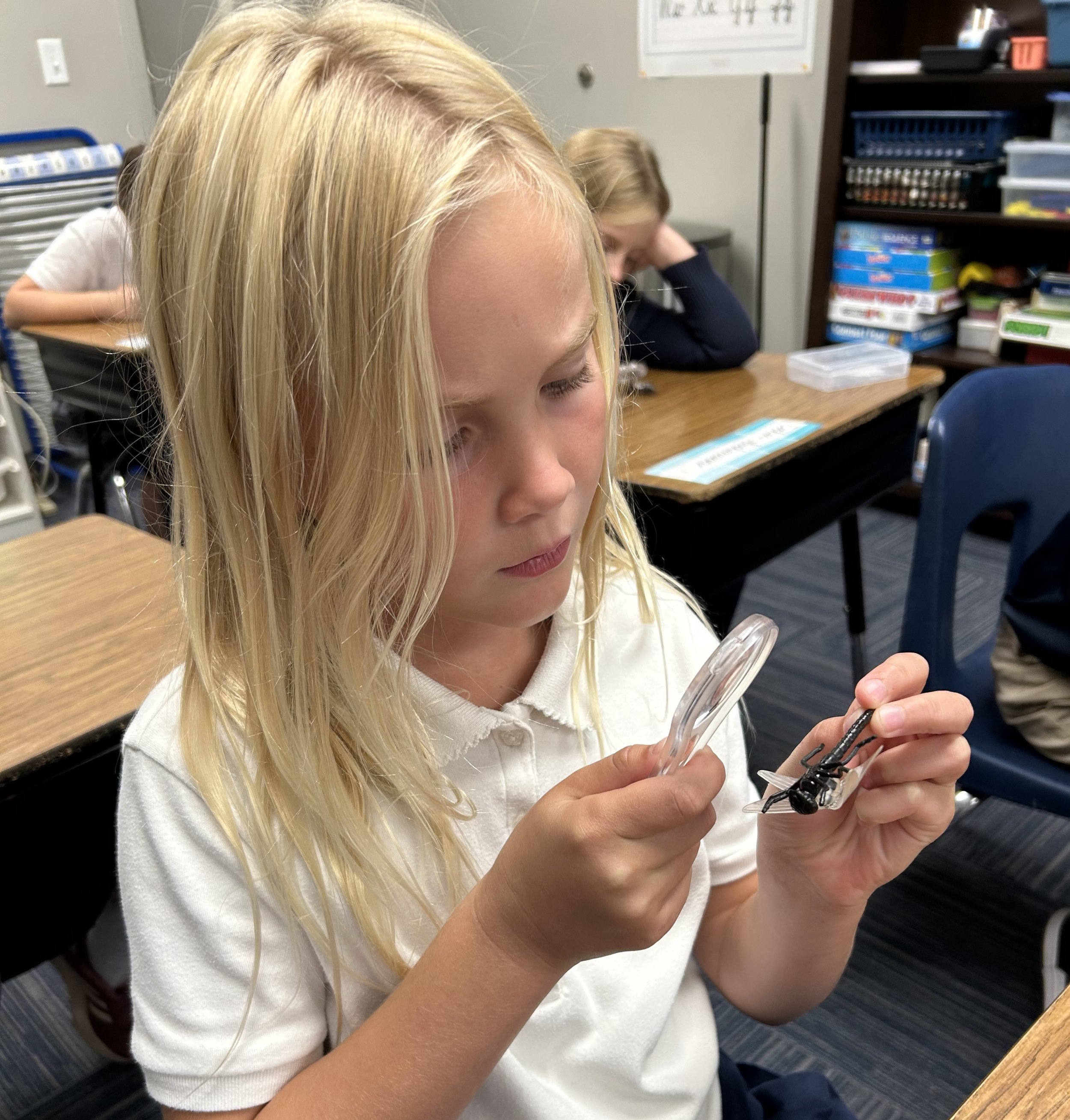
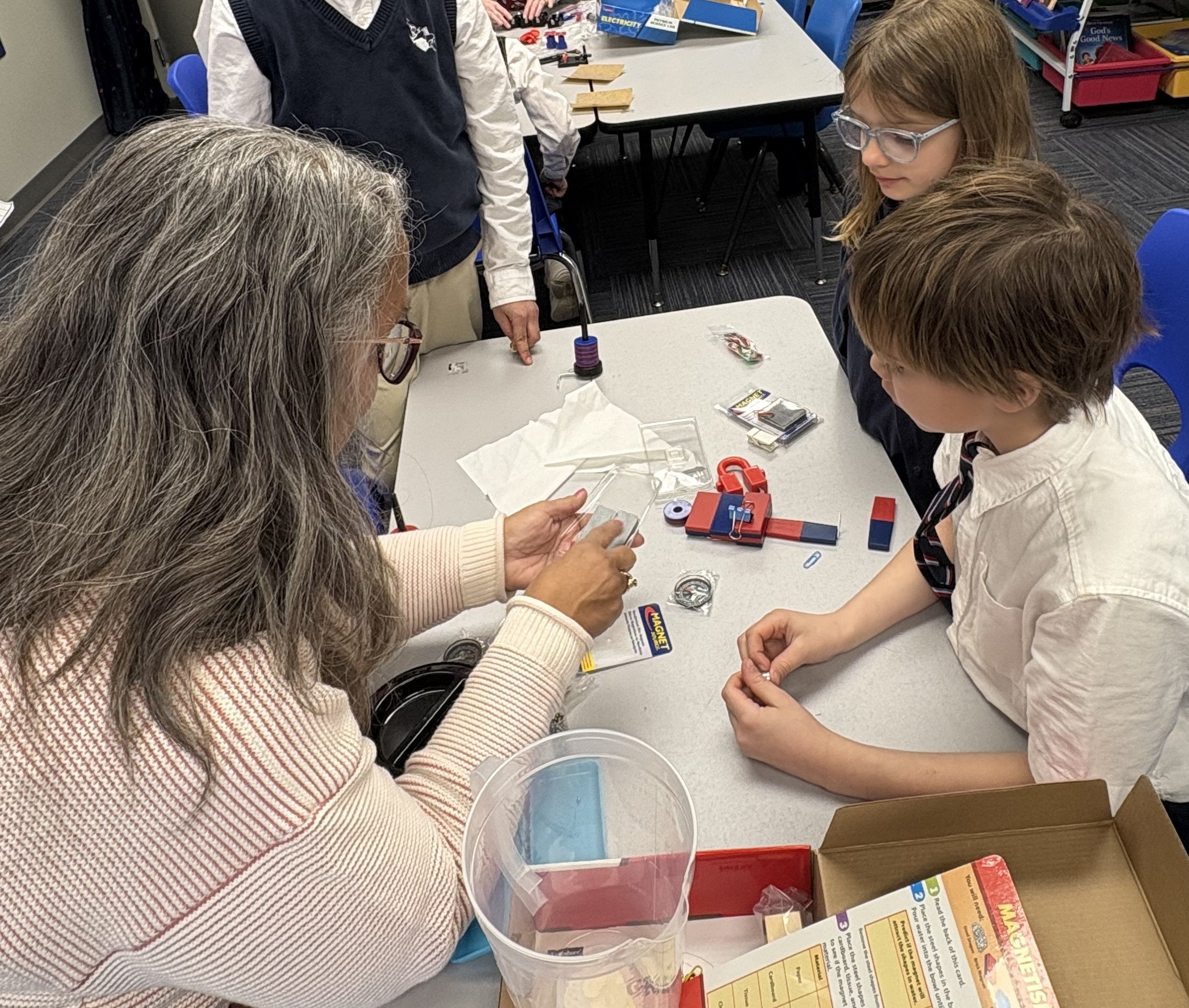
Mathematics and sciences (these highlight the beauty and brilliance of the mind of God as revealed to Man and teach about the natural order
History, which helps us to understand the unfolding human story
Latin, a hallmark of classical education as it developes depth and organization in one’s thought and an excellent preparation for further study in the modern languages
How is Classical Education Rolled Out?
Classical education is effective because of how and when students are taught:
In the grammar stage (K-6), students are naturally adept at memorizing through songs, chants, and rhymes. Learning information in this way means you remember it for a lifetime.
In the dialectic or logic stage (grades 7-9), students are naturally more argumentative and begin to question authority and facts. During this stage, students learn reasoning, informal and formal logic, and how to argue with wisdom and eloquence.
In the rhetoric stage (grades 10-12), students become independent thinkers and communicators. They study and practice rhetoric, which is the art of persuasive speaking and effective writing.